
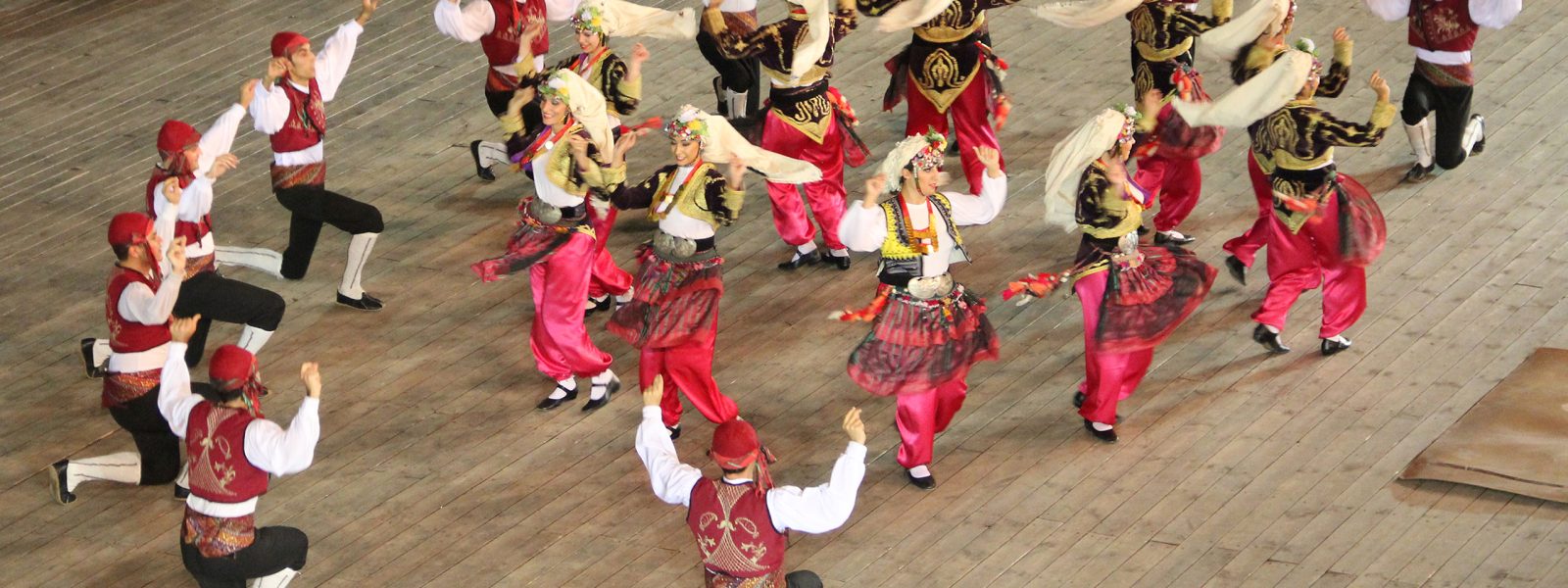
Turkish dance is one of the oldest dances in the world and has a wide variety of forms and movements. Turkish dances are characterized by their graceful and light movements, and their expression of different feelings and emotions.
Turkish dances are closely linked to Turkish cultural heritage, as they reflect the customs, traditions, and social habits of the Turkish people.
There are many types of Turkish folk dances, each with its own name and characteristics.
Here are some of the most popular types of Turkish folk dances:
Halay dance: It is one of the most popular types of Turkish dances and is spread throughout Turkey. This dance is characterized by its circular movements that resemble a crescent moon, and is performed by a group of dancers walking in a single line.
Halai dance is a group dance that is usually performed outdoors. It consists of a group of dancers holding hands and forming a circle. The dancers start by walking in a circle, and then start performing the dance moves. Crescent dance movements vary from region to region, but the basic movements remain the same.


The Halay dance is a dance of joy and happiness, performed on happy occasions such as holidays and celebrations. The crescent dance is one of the Turkish dances that are very popular all over the world.
Dabke: Dabke is a popular Syrian and Lebanese folk dance, but it is also popular in Turkey. This dance is characterized by fast and powerful movements and is performed by a group of dancers beating the ground with their feet.
Dabke is a group dance usually performed outdoors. It consists of a group of dancers holding hands and forming a line. The dancers start walking in a line and then start performing dance moves.
Kurdish dance (Kürtçe): It is a Kurdish folk dance that is popular in southeastern Turkey. It is characterized by graceful and light movements and is performed by a group of dancers dressed in traditional Kurdish costumes.


Ottoman dance (Osmanlı): Osmanlı is an Ottoman folk dance that is popular throughout Turkey. This dance is characterized by its formal and grandiose movements, and is performed by a group of dancers wearing traditional Ottoman costumes.
is a form of belly dance that originated from the Ottoman Empire. It is characterized by long, graceful movements, and is often performed to Turkish classical music. It is one of Turkey’s folk arts and is performed on a variety of occasions, including holidays, parties, and festivals.


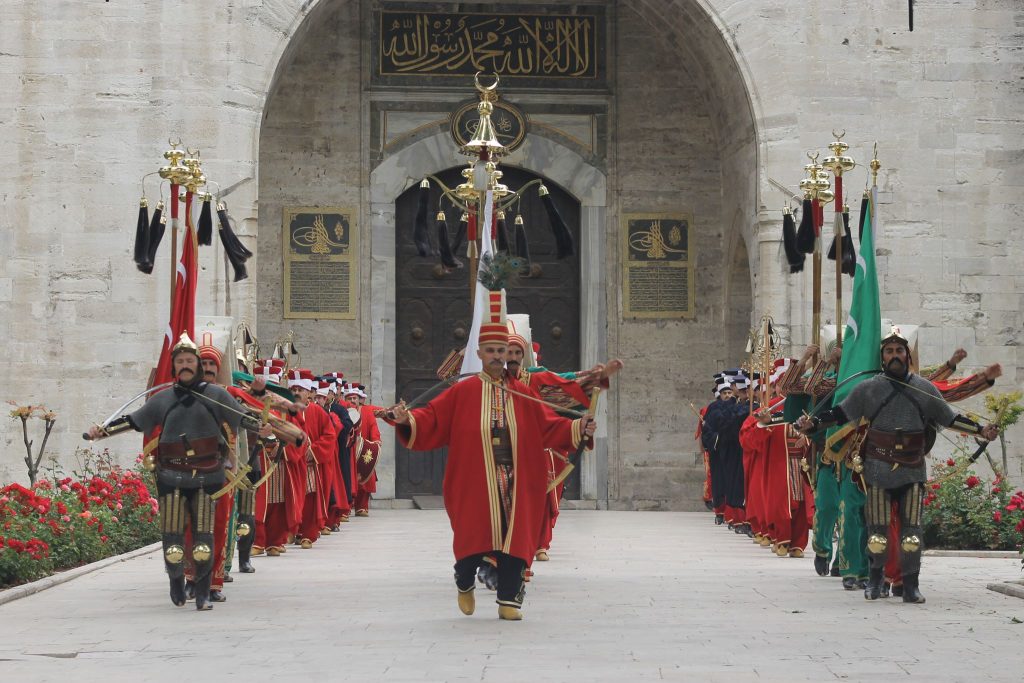


Ottoman dance is believed to have originated in the 17th century, during the reign of Sultan Suleiman the Magnificent. At the time, Ottoman dance was a form of entertainment for the royal family and the upper class. However, Ottoman dance became more popular in the 19th century and became a popular art form.
Ottoman dance is a beautiful art form, characterized by its graceful and long movements. It is also a folk art form and is performed on a variety of occasions.
If you want to experience something new and fascinating, I highly recommend watching an Ottoman dance.
Folklor dance: It is a folk dance that is spread throughout Turkey and is characterized by a variety of movements and forms.
Turkish dance is one of the distinctive cultural elements of Turkey, reflecting the history and civilization of the Turkish people. Turkish dance is very popular in Turkey, and many festivals and folk dances are held throughout the country.


If you want to try Turkish dance, you can visit one of the festivals or shows held in Turkey, or you can learn Turkish dance from a specialized teacher.
Zeybek dance: A Turkish folk dance also known as the “shepherd’s dance”. It is usually performed outdoors and involves a large number of dancers, both men and women. The dancers stand in a line, raise their hands in the air, and move in unison with the music. The dance is characterized by fast and powerful movements and is believed to reflect the difficult life of pastoralists in mountainous areas.


The Zeybek dance is a traditional folk dance that is performed on many happy occasions such as holidays and celebrations. It is also a popular folk dance in Turkey, and many festivals and folk dances that include the Zeybek dance are held every year.
Here are some interesting facts about the Zebec dance:
The Zeybek dance is an ancient Turkish folk dance, believed to have originated in the Anatolian region of Turkey.
The Zebek dance is a masculine dance, and is believed to reflect the difficult life of pastoralists in mountainous areas.
Zabik is a fast and powerful dance that is one of the best ways to express joy and happiness.
If you’re looking for a great Turkish folk dance to watch, the Zeybek is the perfect choice for you.
Bar dance: It is a Turkish folk dance also known as the “stick dance”. It is usually performed outdoors and involves a large number of dancers, both men and women. The dancers hold a stick in their hands and move in unison with the music. The dance is characterized by fast and powerful movements and is believed to reflect the difficult life of pastoralists in mountainous areas.


The bar dance is a traditional folk dance that is performed on many happy occasions such as holidays and celebrations. It is also a popular folk dance in Turkey, and many festivals and folk dances that include the bar dance are held every year.
Here are some interesting facts about the bar dance:
The bar dance is an ancient Turkish folk dance, believed to have originated in the Anatolian region of Turkey.
The bar dance is a masculine dance, believed to reflect the hard life of shepherds in mountainous areas.
The bar dance is a fast and powerful dance, one of the best ways to express joy and happiness.
If you’re looking for a great Turkish folk dance to watch, the bar dance is the perfect choice for you.
Kılıç Kalkan: It is a Turkish folk dance also known as the “sword and shield dance”. The dance is usually performed outdoors and involves a number of dancers, usually men. The dancers wear traditional Ottoman clothing and carry a sword and shield. The dancers start with slow and quiet movements, then the rhythm gradually increases, and the movements become faster and more powerful. The dance is characterized by its graceful and powerful movements and is believed to reflect the military life of the Ottoman Empire.


Kilic Kalkan is a traditional folk dance that is performed on many happy occasions such as holidays and celebrations. It is also a popular folk dance in Turkey, and many festivals and folk dances that include Kilic Kalkan are held every year.
Here are some interesting facts about the Kelek Kalkan dance:
Kilic Kalkan is an ancient Turkish folk dance, believed to have originated in the Bursa region of Turkey.
Kılıç Kalkan is a masculine dance, believed to reflect the military life of the Ottoman Empire.
It is a graceful and powerful dance, one of the best ways to express courage and strength.
If you’re looking for a great Turkish folk dance to watch, Kilic Kalkan is the perfect choice for you.
Çayda Çıra: It is a Turkish folk dance also known as the “candle dance on water”. The dance is usually performed outdoors and involves a number of dancers, both men and women. The dancers wear traditional clothes and carry candles on metal plates. The dance begins with slow and quiet movements, then the rhythm gradually increases, and the movements become faster and more vigorous. The dance is characterized by its graceful and beautiful movements and is believed to reflect the peaceful and simple nature of life in the Black Sea region of Turkey.
The Çayda Çıra is a traditional folk dance that is performed on many happy occasions such as holidays and celebrations. It is also a popular folk dance in Turkey, and many festivals and folk dances involving the Çayda Çıra are held every year.


Here are some interesting facts about the Çayda Çıra dance:
Çayda Çıra is an ancient Turkish folk dance, believed to have originated in the Black Sea region of Turkey.
The Çayda Çıra dance is a mixed dance, meaning it is performed by both men and women.
The Çayda Çıra dance is a beautiful and serene dance, one of the best ways to express happiness and joy.
If you’re looking for a great Turkish folk dance to watch, the Çayda Çıra is the perfect choice for you.
Kafkas dance: It is a Turkish folk dance also known as the “Caucasian dance”. It is usually performed outdoors and involves a number of dancers, both men and women. The dancers wear traditional clothes and hold hands. The dancers start with slow and quiet movements, then the rhythm gradually increases, and the movements become faster and more powerful. The dance is characterized by its fast and graceful movements and is believed to reflect the harsh nature of life in the Caucasus region.
Kavkas is a traditional folk dance that is performed on many happy occasions such as holidays and celebrations. It is also a popular folk dance in Turkey, and many festivals and folk dances involving Kavkas are held every year.


Here are some interesting facts about the Cafcass dance:
Kavkas is an ancient Turkish folk dance, believed to have originated in the Caucasus region.
Kavkas is a mixed dance, meaning it is performed by both men and women.
Kavkas is a fast and graceful dance, one of the best ways to express joy and happiness.
Spoon dance (Kasık Oyunu): It is a type of traditional dance in Turkey. It is part of the cultural heritage in different regions of the country and is characterized by the use of wooden spoons as percussion instruments.
Spoon dancing is characterized by the fact that it is usually performed by two people facing each other. Wooden spoons are used to create distinctive rhythms and sounds during the dance. These spoons are an important part of the musical instruments used in this dance.


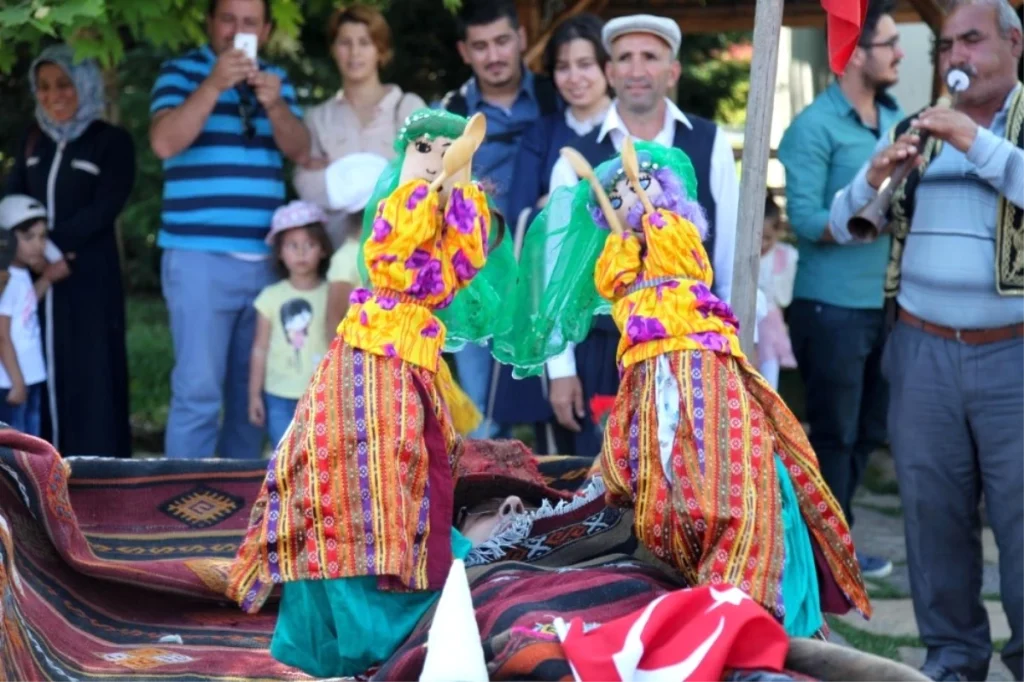

The spoon dance extends to different regions in Turkey, including the Western Black Sea region (e.g. Kastamonu, Bolu, Sinop, Cankiri, Çorum), South Marmara (Balıkesir, Bursa, Bilecik), Inner Western Anatolia (Afyon, Ushak, Eskişehir, Ankara), Konya, and Mersin. The types of spoon dance differ between these regions, but the common feature is the use of wooden spoons as percussion instruments.
The spoon dance is characterized by multiple cultural and regional colors, as it is part of the local heritage and identity of the regions in which it is spread. This dance reflects the interactions of local cultures and traditions in Turkey, and is a manifestation of the living heritage that the current generation has preserved and practiced during social and artistic events.
The dance of spoons comes in different forms in different regions and includes various traditions that reflect the diversity of Turkey’s heritage.
Benefits of Turkish dancing
Turkish dancing has many health and psychological benefits, including:
Improved fitness
Strengthening muscles
Improved breathing
Improving mood
Relieve stress
Increased self-confidence
Improving social skills
Turkish dancing is a fun and healthy activity that can be practiced by everyone, young and old, men and women. If you are looking for a fun and healthy activity that improves your health and mood, Turkish dancing is the perfect choice for you.